

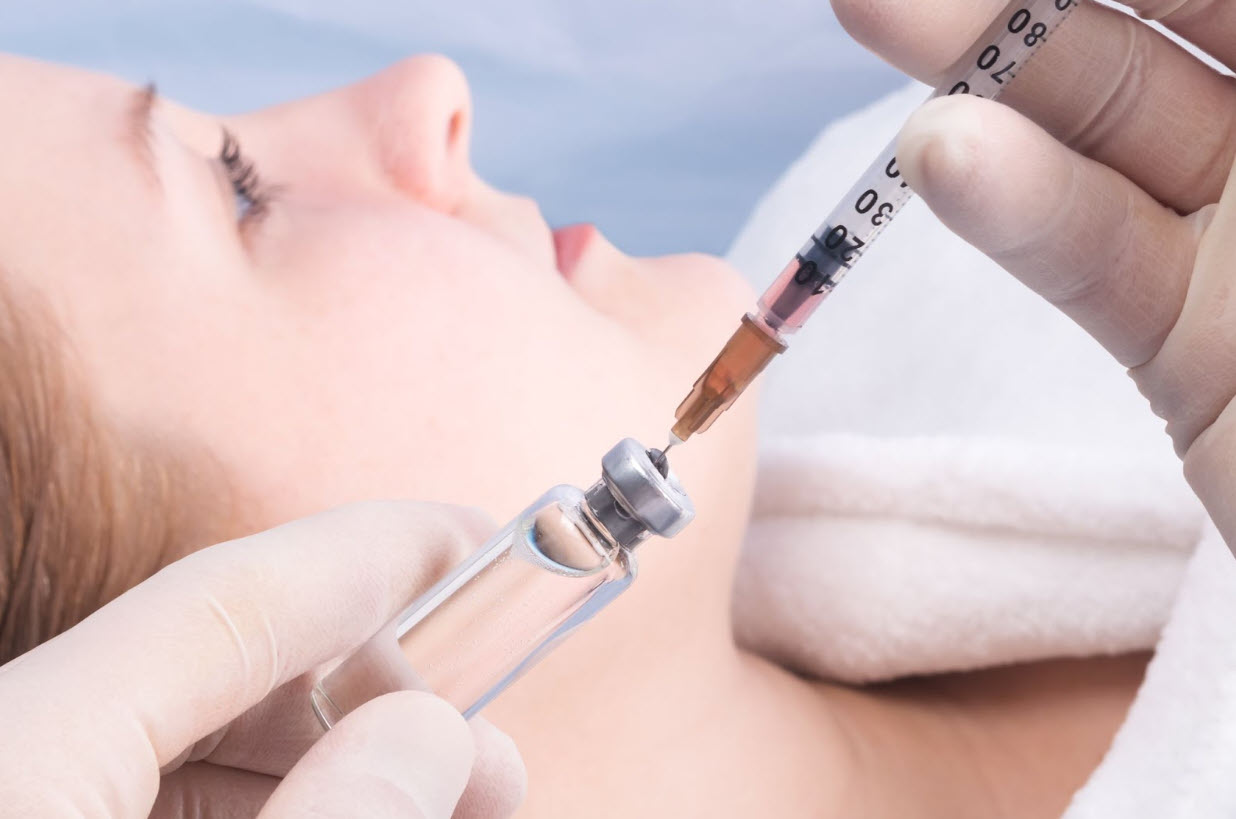
Peptide therapy is gaining attention as a transformative treatment that influences bodily functions for results you can see and feel. Peptides, naturally occurring in the body, are short chains of amino acids that serve as building blocks of proteins. They play crucial roles in regulating hormones, neurotransmitters, and immune responses. With its growing popularity among athletes, the fitness community, and beyond, many patients ask: “Is peptide therapy safe?” Here’s what you need to know.
How Peptide Therapy Works
Peptide therapy uses specific peptides or combinations to positively influence normal physiological processes. These peptides regulate bodily functions and amplify them for better results. By targeting hormones, neurotransmitters, and immune responses, peptide therapy can enhance overall health and well-being.
Synthetic peptides and their analogs can be administered orally, intravenously, or topically, depending on the treatment goals. Reported benefits include:
- Improved athletic performance and energy levels
- Anti-aging effects
- Enhanced immune and cognitive function
- Weight loss
- Accelerated wound healing
Peptide therapy is also used to address chronic pain, reduce inflammation, and treat autoimmune and metabolic disorders like obesity and diabetes.
Regulatory Approval and Quality Control
Peptide therapy is generally considered safe since special regulations and quality control checks have been implemented. Only manufacturers who produce peptides following good faith manufacturing practices must be used, which is exactly what we look for when selecting our vendors for peptide therapy. Special regulatory agencies also ensure that the peptides you are getting in treatment meet the criteria to be marketed, sold, and used as promoted.
Commonly Used Peptides and Their Safety Profiles
There are many peptides that are used, and knowing which ones have a proven track record is key to success with the treatment. Some of the more commonly used peptides include:
- BPC-157
BPC-157 is known for its regenerative properties. It is often used to repair joint and soft tissue damage and to promote healing. Research suggests it may also support digestive health and aid in healing ulcers (PMID: 21030672; PMC: 8504390). - Thymosin Beta
Thymosin beta promotes dermal repair and tissue regeneration. It initiates the repair cascade at injury sites, making it vital for healthy skin recovery (PMC: 3547647; PMID: 23050815). - Copper Peptides
Copper peptides are widely used for their ability to stimulate collagen production, improve skin elasticity, and accelerate wound healing. They also reduce signs of aging and offer antioxidant benefits (PMC: 6073405; PMC: 8789089; PMC: 4508379). - MOTS-C
MOTS-C supports metabolic function and helps combat age-related diseases, including diabetes, cardiovascular issues, and osteoporosis. It also promotes cellular balance (PMC: 9905433; PMC: 9570330; PMID: 38170165).
Potential Side Effects and Risks
While peptide therapy is a generally well-tolerated treatment with a strong track record, there is always the potential for some risks and side effects. While it is rare, it’s important to know of the following side effects which can occur with peptide treatment:
- Allergic reactions
- Reactions at the injection site
- Changes to hormone levels
- Interactions with other medications
To minimize risks and ensure safe treatment, always seek peptide therapy from an experienced provider with a long-standing track record of using peptides for multiple applications.
Frequently Asked Questions
What is peptide therapy, and how does it work?
Peptide therapy uses synthetic peptides to improve normal bodily functions and processes. It works by improving the regulation of hormones, neurotransmitters, and immune system responses.
Are peptides used in therapy FDA-approved?
Most of the peptides used in peptide therapy are FDA-approved, but some are not. To ensure that your treatment uses only FDA-approved peptides, ask your practitioner for a complete list of all the peptides they plan to include and do some online research to confirm that they are safe and well-studied.
What are the common side effects of peptide therapy?
Peptide therapy is considered safe and well-tolerated. Still, some side effects can occur, like reactions at the injection site, stomach issues, headaches, dizziness, tiredness, or allergic reactions.
How can I ensure my peptide therapy treatment is safe?
Before undergoing peptide therapy, consult a professional to ensure you are a qualified candidate. You’ll also want to have a good understanding of the plan of treatment and the benefit of each peptide used.
What should I discuss with my provider before starting peptide therapy?
It’s important to discuss your current health status, goals, and interest in peptides. You should also discuss the pros and cons of the treatment, pricing, the timeframe for expected results, and any potential side effects.
Conclusion
Peptide therapy offers promising benefits for a range of health and wellness goals. By working with a qualified provider and using high-quality peptides, you can safely explore this innovative treatment. Schedule a consultation with our team today to learn more about how peptide therapy can help you achieve your health goals.